Focus on MP: Part 1 General Qualifying Exam Committee Provides Expertise in Development Process
By ABR Trustee Sameer Tipnis, PhD; ABR Trustee Jennifer Stickel, PhD; ABR Board of Trustees Chair Matthew B. Podgorsak, PhD; and ABR Associate Executive Director for Medical Physics Geoffrey S. Ibbott, PhD
December 2025;18(6):7

For certification in medical physics (MP), the ABR administers three computer-based qualifying exams: two Part 1 exams — General and Clinical — and one Part 2 exam in either diagnostic medical physics, nuclear medicine physics, or therapeutic medical physics, the three subspecialty areas of MP. These are followed by a final oral certifying exam in the chosen subspecialty. Part 1 General and Clinical exams are based on the expected knowledge of a second-year graduate student and can be taken by the candidate at a single administration or separately. The General Exam focuses on medical physics at the level of common graduate courses. The Clinical Exam focuses on anatomy, medical terminology, and physiology at the level of an introductory course taught in a college of health sciences.
Questions for these exams are written by ABR medical physics volunteers who are board certified in one or more of the three subspecialties and clinically active in their professional roles. Volunteers serve on either the General or Clinical committee based on their subspecialty and professional focus.
The Part 1 General Qualifying Exam is administered to all candidates, irrespective of which subspecialty they choose for their certification. As such, the Part 1 General Qualifying Exam Committee consists of volunteer subject matter experts from all three subspecialties. The committee has seven to eight members, including a chair and an associate chair. The associate chair is usually chosen during the chair’s last year on the committee. All committees are overseen by one Trustee.
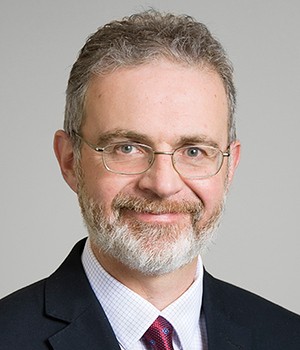
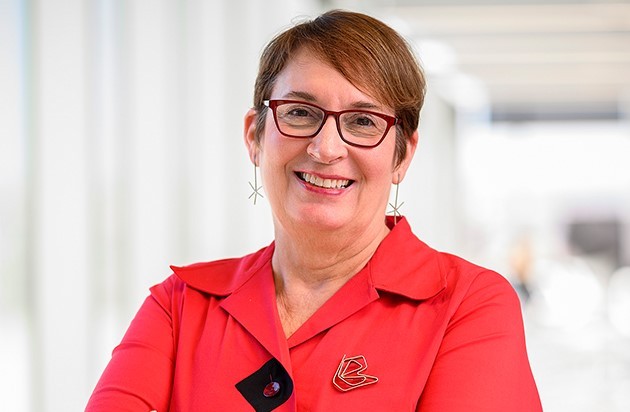
Sameer Tipnis, PhD, served as committee chair until this past October, when he became an ABR Trustee. The committee is now chaired by Justin Zenn and includes Alek Rapchak, MS; Yifang Zhou, PhD; Jonathan Nye, PhD; Jian-Feng Chen, PhD; Mandar Bhagwat, PhD; and Courtney Buckey, PhD. The committee has been assigned one permanent ABR staff exam developer and one rotating exam developer as needed. Staff provide administrative assistance in the management of the meetings, keep track of questions reviewed, and manage behind-the-scenes issues that are critical in producing a fair and well-balanced exam within the proper time frame.

Committee members are typically selected by the committee chair and the Trustee and are appointed initially for a three-year term, with the possibility of reappointment for another three-year term. Committee members participate actively in the exam question-writing process, which runs from January to June in the year prior to when the exam is anticipated to be administered. The committee submits their questions and meets frequently during the cycle to review, edit, and ultimately approve questions that are used for the Part 1 Qualifying Exam. They are encouraged to participate in the discussions during the regularly scheduled web-based committee meetings.
Volunteer engagement throughout a question-writing cycle is typically many hours of independent work, followed by committee meetings, and finally a 1.5-day in-person annual meeting in June. An exam is constructed using both new and previously used questions and is reviewed during the annual meeting, which is attended by several committee members and the MP Trustee. After the committee approves an exam, the Trustee provides final approval.
To maintain exam quality, the Exam Development staff conduct annual assessments to evaluate both committee productivity and individual contributions. When selecting committee members from the pool of approved volunteers, the committee chair and the MP Trustee prioritize subject matter experts with deep, hands-on knowledge of the material that forms the foundation of the exams. To the extent possible, committees are constructed to maintain diversity in clinical practice and geographic location.
The ABR’s mission could not be fulfilled without the dedication and expertise of the medical physicists who generously volunteer countless hours to develop, review, and approve the exam questions that the ABR uses to certify that all their diplomates demonstrate the requisite knowledge, skill, and understanding of their disciplines to the benefit of patients. We express our sincere gratitude to the members of this committee as well as to all the medical physics exam development committees.