Volunteer Spotlight – DR: It’s Work, But He Enjoys Serving His Profession as an ABR Volunteer
By ABR Associate Director of Communications Rodney Campbell
April 2026;19(2):9
Being part of an ABR volunteer committee can be rewarding and challenging.
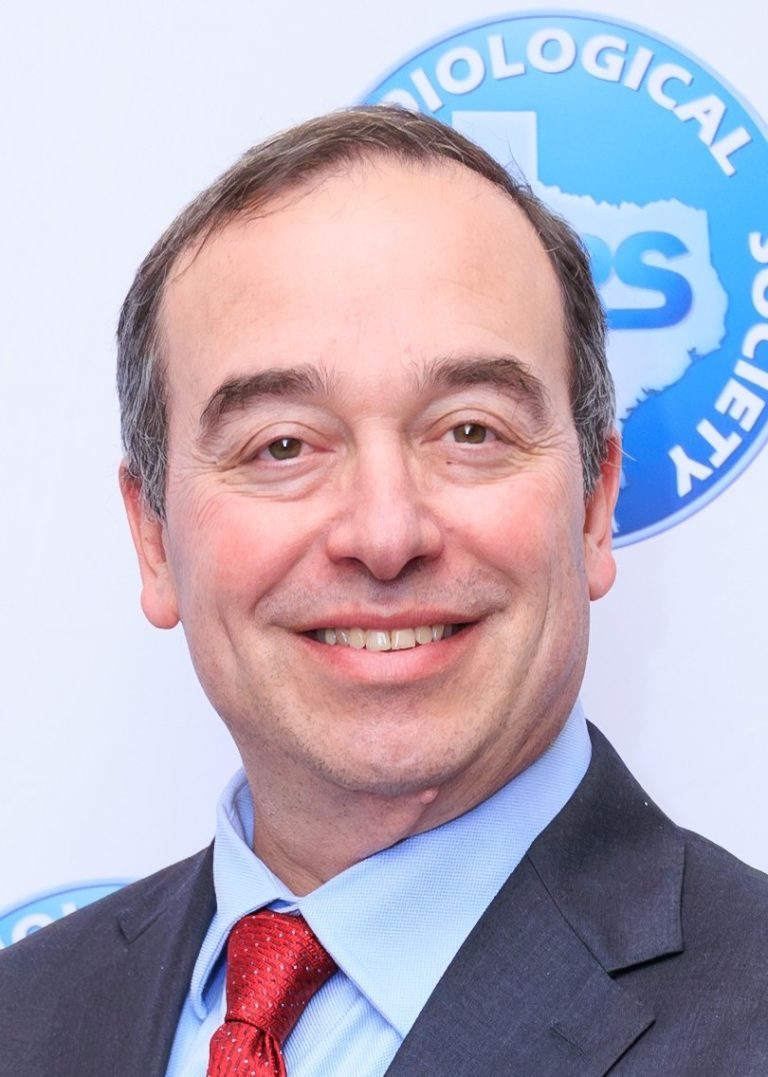
Sometimes, the challenging part begins the moment a physician or physicist arrives for a summer meeting in Tucson or winter gathering in Chicago. Robert Flavell, MD, knows how Southern Arizona feels in August when his group gets together to finalize nuclear radiology questions for the Diagnostic Radiology (DR) Qualifying (Core) Exam.
“I live in San Francisco, and it tends to be cool and foggy that time of year,” he said. “When I get off the plane (in Tucson), it’s always a little shock to the system.”
Like all other question-writing teams, Dr. Flavell and his committee are dedicated to ensuring that ABR assessments are fair and relevant measures of candidate or diplomate knowledge regardless of where the work takes place, in person or remote.
“People who volunteer are a self-selected group,” he said. “It’s quite a bit of work. You spend a bunch of time writing.”
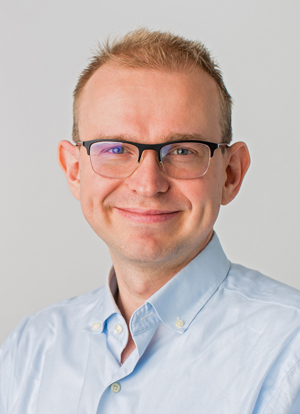
Dr. Flavell is the chief of molecular imaging and therapeutics clinical section in the department of radiology and biomedical imaging at the University of California, San Francisco. Committee members come from varied backgrounds, but they all share common goals, which include securing the future of their specialties. It’s a rewarding process.
“The type of people who are volunteering are really interested in education and the new generation of radiologists,” he said.
Committee members bring real-life experience to their sessions. Many make notes when they’re at work to remember cases they might use when putting together their portion of an exam.
But there are scenarios to avoid. Initial Certification question writers have to put themselves in a resident’s mindset when developing content.
“That exotic really cool case where they made a great diagnosis is probably not a good minimum competency exam question,” he said. “Those cases are fun to talk about on the committee, but they’re not fair for a third-year resident.”
Dr. Flavell spends his Fridays in the reading room, often working alongside residents. Doing so gives him a good sense of what they should know at that point in their training.
Determining appropriate exam content goes further than that. Committees review their question pools each year and drop questions that should no longer be included on exams.
“Part of our annual review process is throwing out questions that either became obsolete because techniques or technology have changed, performed poorly on a prior exam, or are just not appropriate,” he said.
Committee members are expected to write a certain number of questions each year. But that doesn’t mean all of them will be selected for an assessment. Each group carefully combs through potential questions to ensure fairness.
That often requires an open discussion about proposed content. Committee members have an obligation to voice their opinions and listen to what their colleagues have to say.
“When you’re first starting as a volunteer, you’re a little cautious, especially if you want to make a comment that could be perceived as critical,” Dr. Flavell said. “But once you do it for a while, you realize that people aren’t doing it to be malicious. The feedback is intended to be constructive.”
Dr. Flavell applied to become a volunteer at the suggestion of Ephraim Parent, MD, PhD. Dr. Parent is now the chair of Dr. Flavell’s committee. He’s happy that his colleague was chosen to be part of the team.
“He is instrumental in helping keep current the testable topics in the rapidly changing practice of molecular imaging and radiotherapy,” Dr. Parent said. “He brings an excellent work ethic and is able to navigate the differences in opinions of the various committee members, helping us to quickly come to consensus.”
Being an ABR volunteer is work but there are many benefits. Dr. Flavell enjoys his committee’s camaraderie and the opportunity to contribute to the present and future of his specialty.
“I’ve found it to be an enjoyable experience,” he said. “I’d recommend (volunteering) for people who have an interest in education. It’s a good opportunity to give back to the community and get to know other like-minded individuals.”