His First Sessions as an Oral Examiner Prove ‘Seamless’
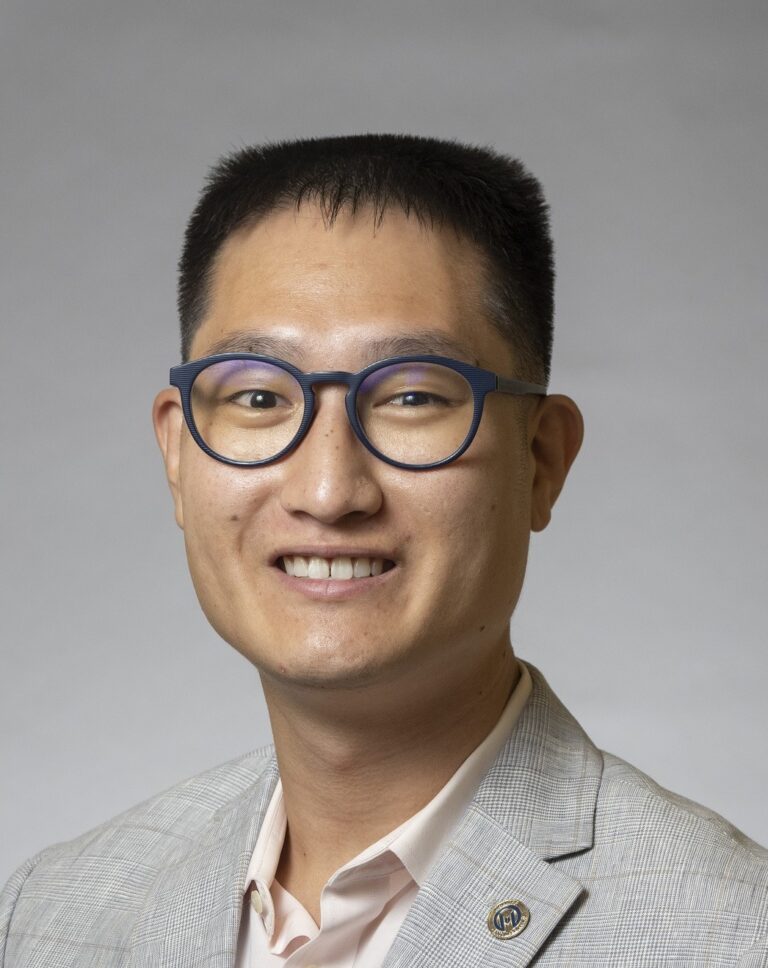
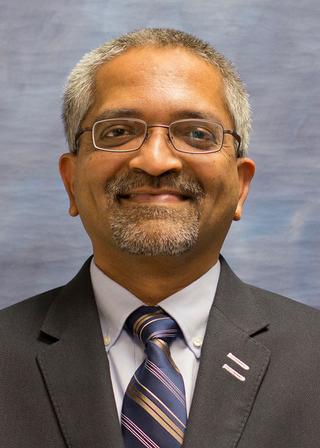
Getting the opportunity to serve as an ABR oral examiner has long been a goal for Dev Butani, MD. He’s among the diplomates who went through the in-person Initial Certification orals process in Louisville.
After sitting on the other side of the desk as an examiner on a remote platform earlier this year, he sees the current process as a great improvement.
“If I were going through the current schema as a trainee, this would be a way less stressful situation,” he said. “When exams are in person, there’s always the inherent risk of travel and the uncertainty. There’s also the cost associated with it, the hotel experience, those kinds of things.”
Dr. Butani’s initial experience as an examiner was a great success. After undergoing training by ABR staff, he spent two days evaluating candidates who were seeking Interventional Radiology Initial Certification.
Fortunately, there were no Louisville flashbacks on the remote platform.
“It was great,” Dr. Butani said. “The people at the ABR are amazing. Everything was seamless. The occasional hiccups were handled in a very professional manner. It was a truly great experience.”
This was Dr. Butani’s first opportunity to serve as an ABR volunteer; he’s already accepted the invitation to be an oral examiner again in late October.
“It’s been on my professional bucket list for a long time,” he said. “This was a very poignant activity to be involved in.”
Dr. Butani is a professor of imaging sciences at the University of Rochester Medical Center (URMC). Marco Ertreo, MD, one of his colleagues, told ABR Interventional Radiology (IR) Associate Executive Director James Spies, MD, that he thought Dr. Butani would be a good examiner. The invitation was extended and quickly accepted.
“I recommended him because he is knowledgeable, composed, and well spoken,” said Dr. Ertreo, director of the URMC’s Integrated IR Residency Program. “We regularly hold mock oral examinations for our residents, and I’ve always been impressed by the way he conducts his sessions. He asks realistic questions that reflect actual clinical practice, and when residents get stuck, he’s able to redirect them back on track without being condescending.”
As the founding director of the Integrated IR Residency Program, Dr. Butani has had the chance to work closely with trainees and fellows, physicians who will lead the workforce in the coming decades. It’s been an educational and encouraging experience.
“It keeps us on our toes because, at least once or twice a year, a really sharp resident will bring something up that I had no clue about,” he said. “It keeps us humble as well. This is the future of our profession. It’s looking bright because we’ve got smart people coming in.”
One of the initiatives he instituted as a program director was mock exams to get candidates ready for their boards. The key to becoming certified is knowing the material and showing that you’re safe to independently treat patients.
“The goal is very simple,” Dr. Butani said of mock orals. “People can have different ways of tackling the same clinical problem, but the bottom line is you don’t want to harm patients.”
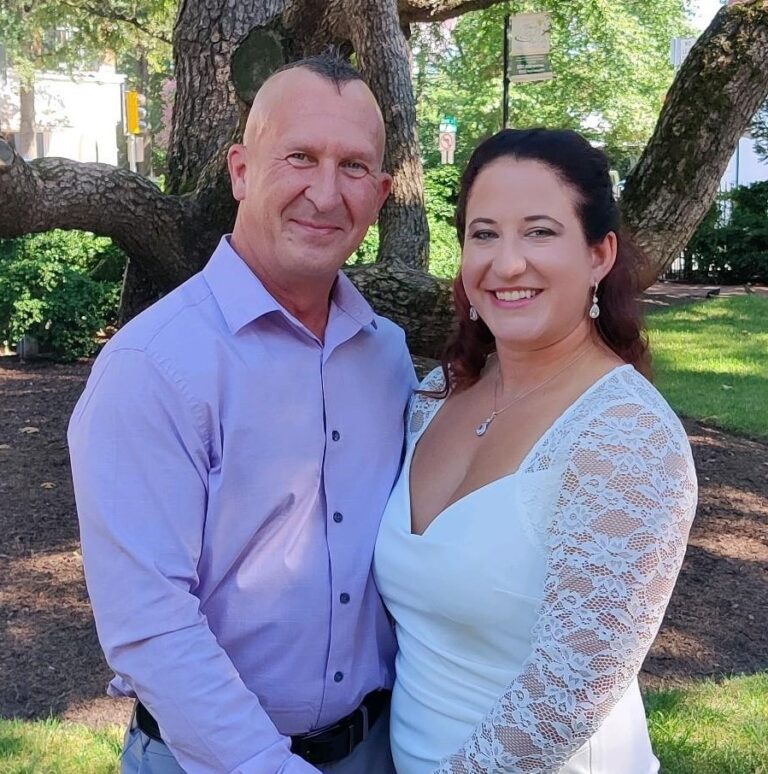
After completing medical school at the University of California, Irvine, Dr. Butani moved to Rochester, his wife’s hometown, to perform his residency. Going from Southern California to upstate New York was an adjustment, one that he didn’t fully embrace until after he finished his training and secured a job in Rochester.
“A lot of residents are afraid to put roots down because they know that another move is possibly coming,” he said.
He and his wife have four teenagers who keep them on the run. Dr. Butani said he doesn’t have a lot of hobbies. His free time often becomes work time.
“I love radiology,” he said. “I do IR during the daytime. If I have downtime, I pick up the Dictaphone and read diagnostic images. I truly enjoy all facets of radiology. People tell me that I’m addicted to work, but I enjoy it.”