Medical Physicist’s Career Keeps Blowing Up
One ABR medical physics volunteer partially owes his career path to balloon animals.
As an undergraduate majoring in physics in his native Australia, Leith Rankine, PhD, and others from his university volunteered to visit Perth Children’s Hospital, where they handed out balloons they had twisted to appreciative kids. It was there that Dr. Rankine made a connection that changed his life.
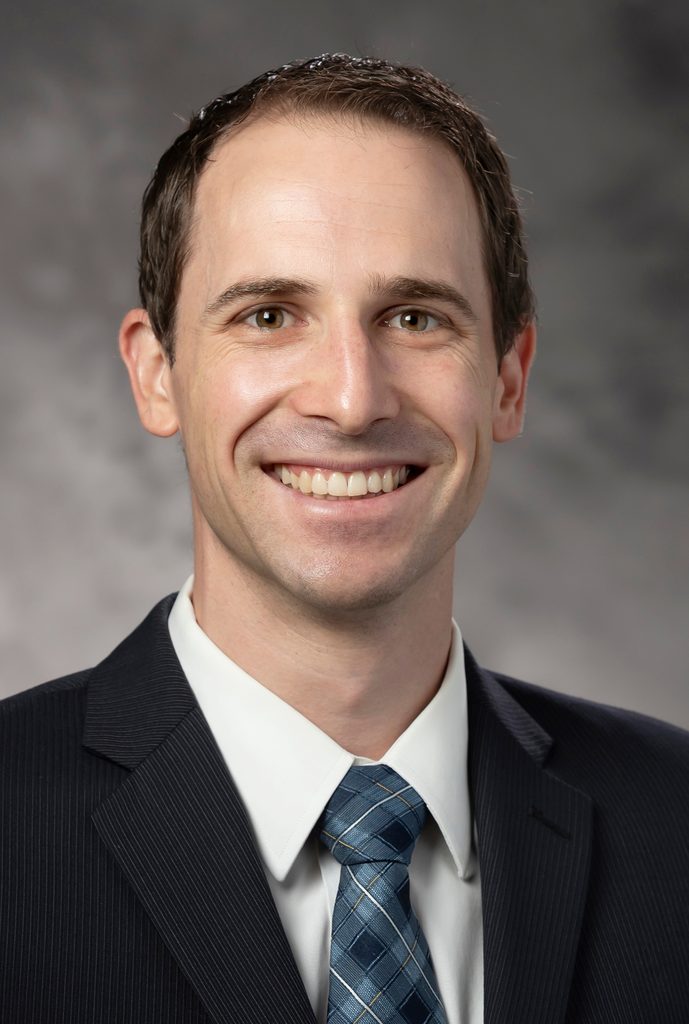
“I met my first medical physicist,” said Dr. Rankine, who writes therapeutic questions for the Medical Physics Qualifying Exam. “I was able to shadow the (hospital medical physics) department for a day and decided it was an amazing application of what I was studying.”
Medical physics was a revelation for Dr. Rankine. It gave him an outlet for his talents that he didn’t know existed.
“At that time, I was sitting in a lab hoping that one day my results could be useful,” he said. “I found that immediate application of physics to be very good because it helped people.”
His original plan was to teach high school physics. That changed when he did a few training sessions that placed him in classrooms with students who were close to his age.
“I was in my early 20s, so a bit of time could have still made that a good career choice,” Dr. Rankine said. “But at that moment I was too close to them in age.”
His relocation to the United States was also an interesting coincidence. He met his wife when she was visiting Australia from Colorado as a study abroad student, and he was working part-time in the program office.
“I met her straight away, helping out with orientations and all that kind of stuff,” he said.
The two started dating and, after she went back to America and graduated, the couple were reunited in Australia for a year and got married.
With his wife holding a deferred, full-ride scholarship for graduate school waiting at Boston University, Dr. Rankine chose to continue his studies at Northeastern University, where he earned a master’s in physics. He followed that with a master’s and PhD in medical physics at Duke University.
Shiva K. Das, PhD, now a professor and director of medical physics in the department of radiation oncology at the University of North Carolina, was Dr. Rankine’s advisor at Duke. The two reunited when Dr. Rankine landed a position at Basnight Cancer Hospital in Chapel Hill, North Carolina.
“Leith was a phenomenal physicist who started our (stereotactic body radiation therapy) program several years ago and led it until his recent departure,” Dr. Das said. “Leith was instrumental in implementing several new technologies. He was also a dedicated educator who served as the assistant residency director, during which time he was widely praised for training our medical physics residents and went on to win a resident mentorship award.”
Dr. Rankine and his wife enjoyed living in North Carolina but always had their eyes on New York City. After 11 years in Chapel Hill, the couple made the leap to the big city in September, when Dr. Rankine accepted a position as a medical physicist at Columbia University Irving Medical Center.
“My wife and I wanted to live in New York City while we were young,” he said. “It’s an exciting place to be. We wanted a new adventure.”
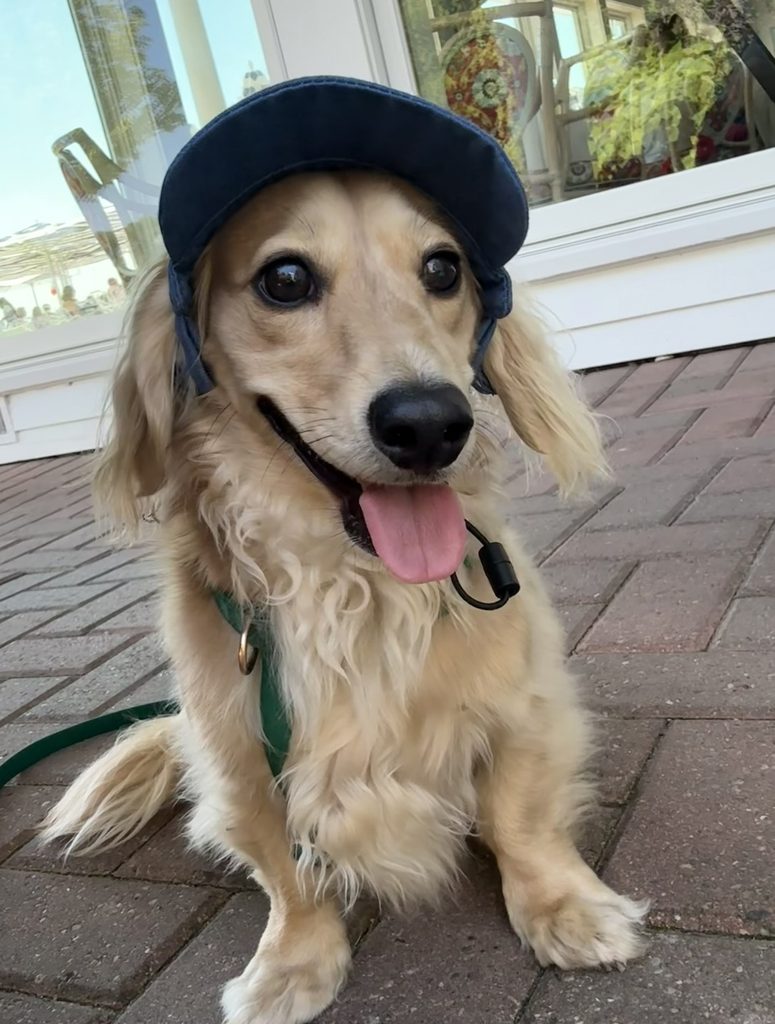
The two enjoy living close to Central Park, where they walk their miniature dachshund Banjo most mornings. Dr. Rankine said the 3-year-old dog gets a lot of attention.
“He runs around with all of the other dogs, and we have a nice walk through nature,” he said. “He’s super adorable. Everybody loves him.”
One thing the couple left in North Carolina was Krav Maga, a self-defense practice developed for the Israeli Defense Force that was first offered to civilians in 1971. Maybe that’s because Dr. Rankine accidentally broke his wife’s finger during a session.
“She was blocking and my elbow hit her finger,” he said. “I don’t think she’s ever forgiven me for that.”
Staying true to his education roots, Dr. Rankine enjoys his ABR volunteer service. Certified since 2016, he started as an Angoff reviewer before moving to his current question-writing duties.
After completing his first three years, he quickly signed on for another term.
“I made sure that I was enrolled for my next three years because I’ve really enjoyed it so far,” he said. “It’s a great way to give back to the medical physics community, particularly if you’re interested in education. I encourage all my colleagues to click on that volunteer button on the ABR website.”