Successful Candidates Reflect on Their Qualifying Exam Experience
This past June, a record 1,589 candidates sat for the Diagnostic Radiology (DR) & Interventional Radiology/Diagnostic Radiology (IR/DR) Qualifying (Core) Exam. Most of the field (93%) passed, putting those successful DR candidates on track to take the DR Oral Exam when it starts in 2028. More information on that exam is available in the candidate guide, which will be updated leading to the first administration. There’s also content information in the study guide.
We asked a few successful candidates about their Qualifying Exam experience and how they feel about the DR Oral Exam.
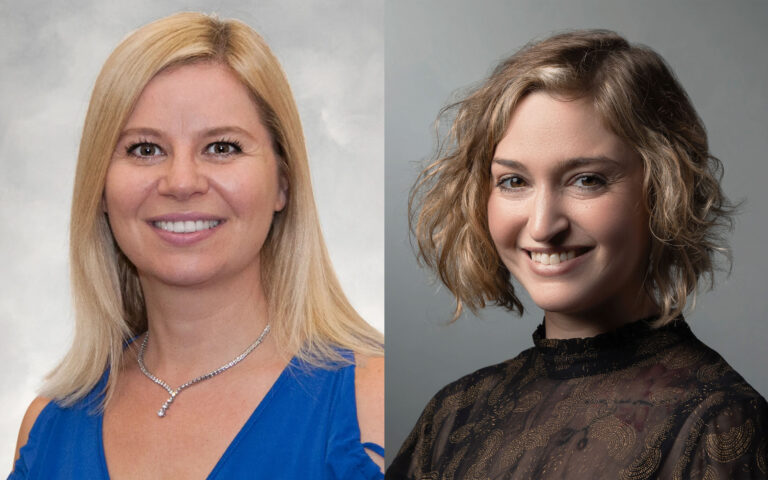
Dru Curtis, MD
Advent Health
What were your expectations heading into the exam?
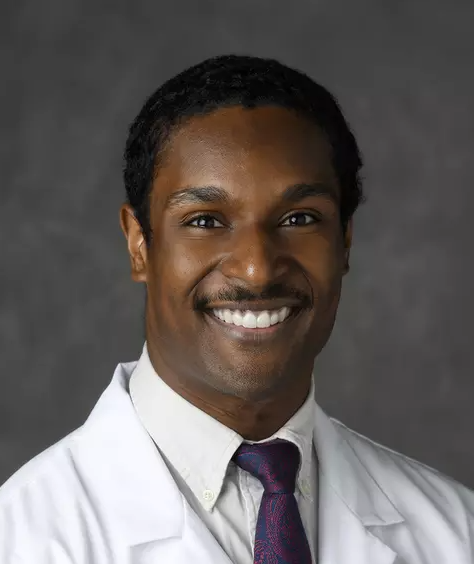
“I went in anticipating a rigorous and challenging experience, which aligned with the guidance I had received from my faculty and senior residents. However, I also felt a strong sense of readiness. I trusted that our comprehensive training and the dedicated preparation I had put in had equipped me to be successful.”
What was your reaction when you found out you passed?
“Beyond the initial excitement, I felt a sense of peace. It brought a wonderful wave of renewed confidence, reaffirming that I am well prepared to continue my training and, most important, to provide high-quality care to our patients.”
Emily Van Antwerp, MD
UMass Chan-Baystate
How much did you use the ABR’s resources before or during the exam (videos, exam and study guides, Exam Day Help Desk, etc.)?
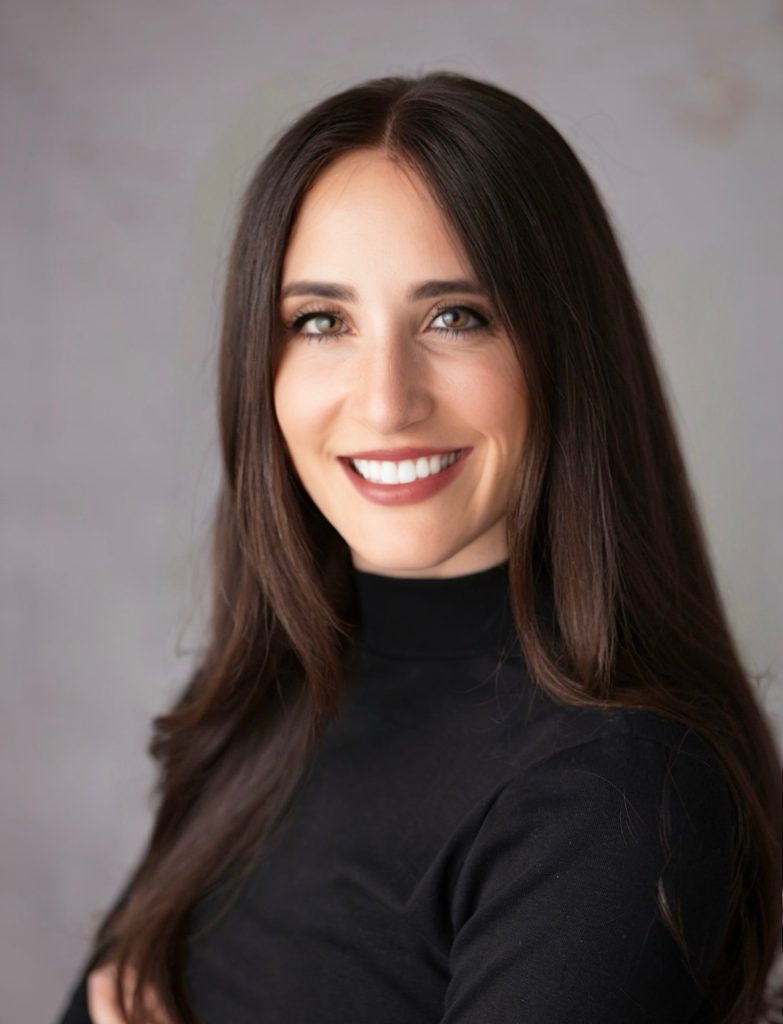
“I made extensive use of the resources available on the ABR website throughout my preparation. I read the Remote Qualifying (Core) Exam Guide multiple times and referred to it frequently as exam day approached. I also reviewed the exam content outline and watched the video explaining the scoring process, which helped me better understand what to expect. In addition, I contacted the Exam Day Help Desk twice before the exam.”
How was your experience with the Help Desk?
“I contacted them in the days leading up to the exam and was very impressed with both their responsiveness and efficiency. I was having trouble getting my desktop to recognize the side-view camera. They answered my call immediately, quickly identified the issue, and walked me through the solution. That significantly reduced my pre-exam anxiety, and I really appreciated having suchaccessible and knowledgeable support available. Their assistance helped ensure that exam day went as smoothly as possible.”
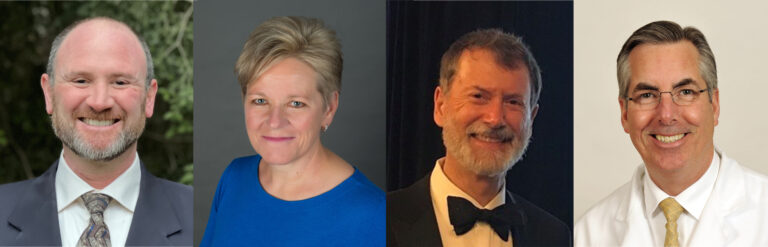
Erika Wood, MD
UCLA Health
How much are you thinking about the DR Oral Exam?

“I’m definitely starting to think about it more as additional information becomes available. I think it’s going to be a new experience for everyone. Many of my younger attendings never took an oral certifying exam, while some of the more senior faculty have stories that can be a little intimidating. At this point, I don’t entirely know what to expect, but I’m looking forward to learning more as the process becomes clearer.”
What do you think about the ABR changing from a multiple-choice to oral format?
“The change makes sense in the long run. As radiologists, we spend our careers presenting at tumor boards, consulting with referring clinicians, communicating imaging findings, and teaching residents and medical students. Those responsibilities require much more than selecting the correct answer from a list of choices. An oral examination has the potential to better assess the communication and clinical reasoning skills that are essential in practice. I’m sure there will be a learning curve as everyone adapts to the new format, but I’m hopeful that, ultimately, it will help train even stronger radiologists.”